
Competitive Mindset & Stress Analyzer
Answer these questions honestly to identify your psychological profile as a competitive student.
Your Profile:
Psychological Breakdown
Ever noticed how some people seem to run on pure adrenaline when a deadline approaches, while others crumble under the slightest pressure? If you are preparing for competitive exams, you have likely met both types. But what drives that relentless need to win? Is it just ambition, or is there something deeper going on in the brain?
Understanding the psychology behind competitive people isn't just about labeling them as "go-getters" or "aggressive." It is about uncovering the mental frameworks that dictate how we handle stress, perceive failure, and ultimately succeed in high-stakes environments like the IIT JEE, NEET, or civil services.
The Core Drive: Achievement Motivation vs. Fear
At its heart, competitiveness stems from two primary psychological engines: the pursuit of mastery and the avoidance of shame. Psychologists often refer to this as Achievement Motivation Theory, popularized by David McClelland. Some individuals are driven by a genuine love for the challenge itself. They want to solve the hardest math problem not because they will get praised, but because solving it feels good. This is intrinsic motivation.
However, many competitive students operate on extrinsic motivation. For them, the exam is a gatekeeper. The fear of being left behind, of disappointing parents, or of being labeled "average" fuels their study hours. This distinction matters because the source of your drive determines how long you can sustain it. Intrinsic drivers tend to burn slower and longer, while fear-based drivers can lead to burnout if the immediate threat disappears.
Is being competitive always healthy?
No. Healthy competition focuses on self-improvement and personal bests. Unhealthy competition becomes toxic when it relies on tearing others down, cheating, or defining self-worth solely by rank. In competitive exams, toxic competition leads to anxiety disorders and depression, whereas healthy competition builds resilience.
The Role of Neurochemistry: Dopamine and Adrenaline
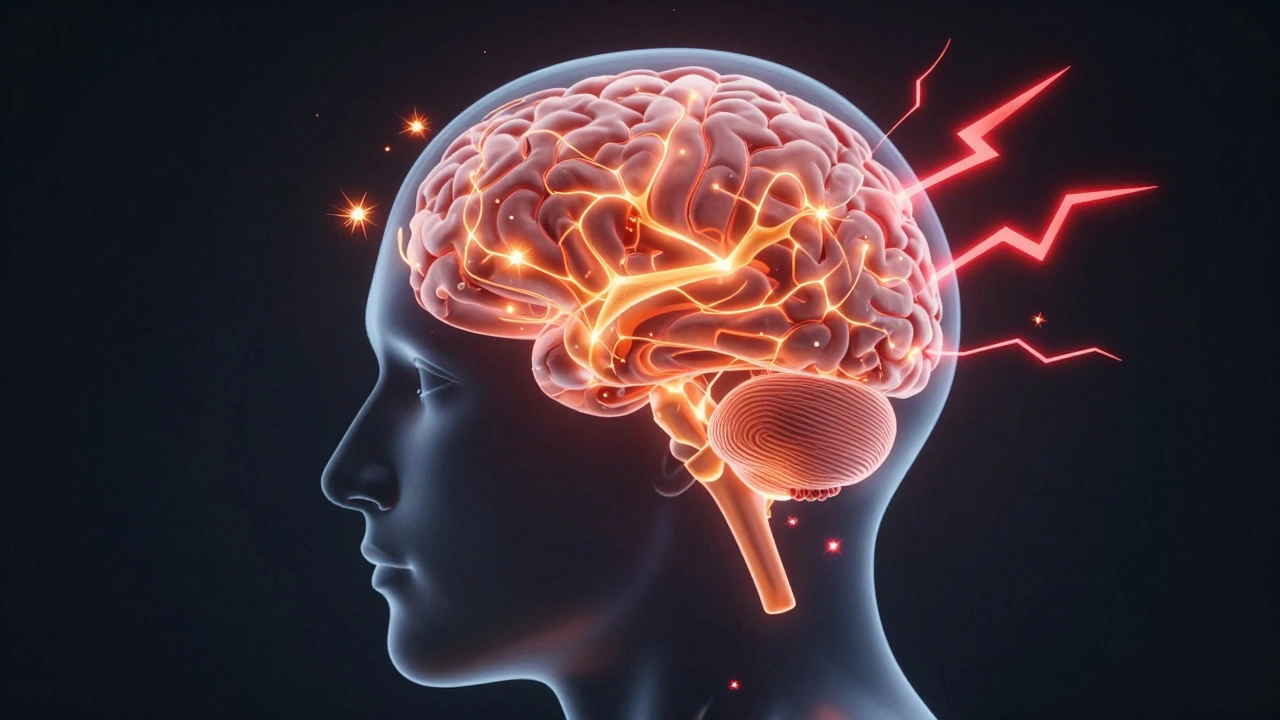
Your brain rewards winning with dopamine, the neurotransmitter associated with pleasure and reinforcement. When a competitive person solves a difficult question or ranks higher in a mock test, their brain releases a hit of dopamine. This creates a feedback loop: effort leads to reward, which encourages more effort. Over time, this can become addictive. The student doesn't just want to pass; they want the feeling of victory.
On the flip side, cortisol plays a significant role. Cortisol is the stress hormone. For some, moderate levels of cortisol sharpen focus and memory recall-a phenomenon known as eustress. But when cortisol levels remain chronically high due to excessive pressure, it impairs cognitive function. This is why you might see a top-performing student blank out during an actual exam despite knowing the material perfectly. Their body interpreted the exam hall as a life-or-death threat rather than a test.
Personality Traits: The Big Five Model
Psychologists use the "Big Five" personality traits to understand human behavior. Two traits stand out in highly competitive individuals: Conscientiousness and Neuroticism.
- Conscientiousness: This trait involves organization, diligence, and goal-directed behavior. High scorers in conscientiousness are naturally suited for competitive exams. They create study schedules, stick to them, and resist distractions. Research consistently shows that conscientiousness is one of the strongest predictors of academic success.
- Neuroticism: This refers to emotional instability and sensitivity to stress. Interestingly, moderate neuroticism can be beneficial in competitive settings. These individuals feel the pain of potential failure more acutely, which pushes them to prepare thoroughly. However, high neuroticism without coping mechanisms leads to panic attacks and procrastination.
A third trait, Openness to Experience, helps competitive thinkers adapt to new problem-solving strategies. While conscientiousness gets you through the syllabus, openness helps you tackle the unexpected questions that exam setters throw at you to differentiate the top 1%.
Social Comparison Theory: Why We Measure Ourselves Against Others
Leon Festinger’s Social Comparison Theory suggests that humans determine their own social and personal worth based on how they stack up against others. In the context of competitive exams, this is amplified. You are not just studying to learn physics; you are studying to beat the candidate sitting next to you in the merit list.
This comparison can be upward or downward. Upward comparison (looking at those who scored higher) can inspire improvement if managed well. It provides a benchmark. Downward comparison (looking at those who scored lower) can boost confidence but also breed complacency. The most successful competitive students use upward comparison strategically. They analyze the errors of top rankers to identify gaps in their own preparation, rather than feeling inferior.
The Dark Side: Perfectionism and Imposter Syndrome
Highly competitive people often struggle with maladaptive perfectionism. Unlike adaptive perfectionists who set high standards but accept mistakes as part of learning, maladaptive perfectionists view any error as a catastrophe. This leads to analysis paralysis. A student might spend three hours on a single chemistry problem because they refuse to move on until they have the "perfect" solution, sacrificing coverage of other topics.
Imposter syndrome is another common companion. Despite objective evidence of their competence-high mock scores, consistent grades-these individuals believe they are frauds who got lucky. They attribute success to external factors ("the paper was easy") and failure to internal flaws ("I'm not smart enough"). This mindset erodes confidence right before the final exam, causing unnecessary doubt.
Cultivating a Healthy Competitive Mindset
If you recognize these traits in yourself, the goal isn't to eliminate competitiveness but to channel it effectively. Here is how top performers manage their psychology:
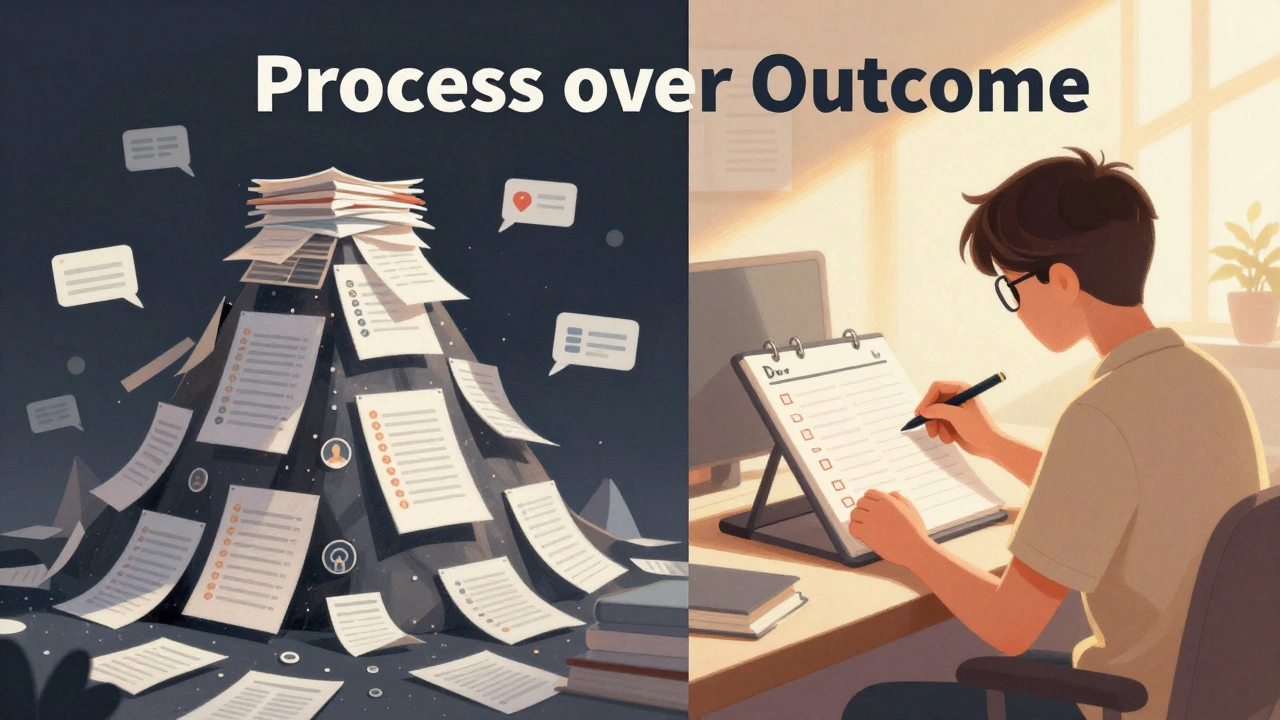
- Focus on Process, Not Outcome: Instead of fixating on the rank, focus on daily targets. Did you complete the revision plan? Did you understand the concept? Controlling the process reduces anxiety about the uncontrollable outcome.
- Reframe Failure: Treat mock tests as diagnostic tools, not judgments of character. A low score identifies weak areas early, allowing time for correction. This shifts the narrative from "I failed" to "I found a gap."
- Limit Social Media Exposure: During exam prep, avoid platforms where peers share their achievements. Constant exposure to others' successes triggers unhealthy social comparison and spikes cortisol levels unnecessarily.
- Practice Self-Compassion: Talk to yourself as you would a friend. Acknowledge the difficulty of the journey. Self-criticism drains energy needed for studying; self-compassion restores it.
Conclusion: Harnessing Your Inner Competitor
The psychology of competitive people is complex, blending biology, personality, and social dynamics. Whether you are driven by the thrill of victory or the fear of defeat, understanding these forces allows you to take control. By balancing conscientiousness with emotional regulation, and by viewing competition as a tool for growth rather than a measure of worth, you can navigate the pressures of competitive exams with clarity and resilience. Remember, the ultimate competition is not against other candidates, but against your previous limitations.
How does family influence competitive behavior in students?
Family dynamics play a crucial role. Parents who praise effort rather than intelligence foster a growth mindset, leading to healthier competition. Conversely, conditional love or excessive pressure can create anxiety-driven competitiveness, where the child studies to avoid punishment rather than to achieve mastery. Supportive environments encourage risk-taking and learning from mistakes.
Can introverts be successful in competitive exams?
Absolutely. Introversion is not a barrier to competitiveness. In fact, introverts often excel in solitary study tasks required for competitive exams. They may prefer deep work over group study sessions. Success depends on managing stress and maintaining discipline, traits that are independent of extroversion or introversion.
What is the difference between healthy and toxic competition?
Healthy competition motivates you to improve your own performance without demeaning others. It fosters collaboration and mutual respect. Toxic competition involves sabotage, jealousy, and defining self-worth exclusively through ranking above others. Toxic competition leads to burnout and strained relationships, while healthy competition sustains long-term motivation.
How can I reduce exam anxiety using psychological techniques?
Techniques include mindfulness meditation to lower cortisol levels, cognitive restructuring to challenge negative thoughts, and systematic desensitization by simulating exam conditions. Regular physical exercise also helps regulate stress hormones. Additionally, focusing on breathing exercises during the exam can calm the nervous system and improve concentration.
Does age affect competitive drive in students?
Yes, developmental stages matter. Adolescents are particularly sensitive to peer comparison due to brain development related to social identity. Younger students may compete for approval, while older students often compete for career security. Understanding your age-related motivations can help tailor study strategies to address specific emotional needs.

Anirudh Vaidya
I am an education consultant specializing in the Indian education system, and I enjoy exploring innovative teaching methods. My passion is writing about educational reforms and developments happening in India, trying to bring awareness to global audiences. I regularly contribute to various educational journals and participate in conferences worldwide. I believe in lifelong learning and am always keen to exchange ideas with fellow educators.