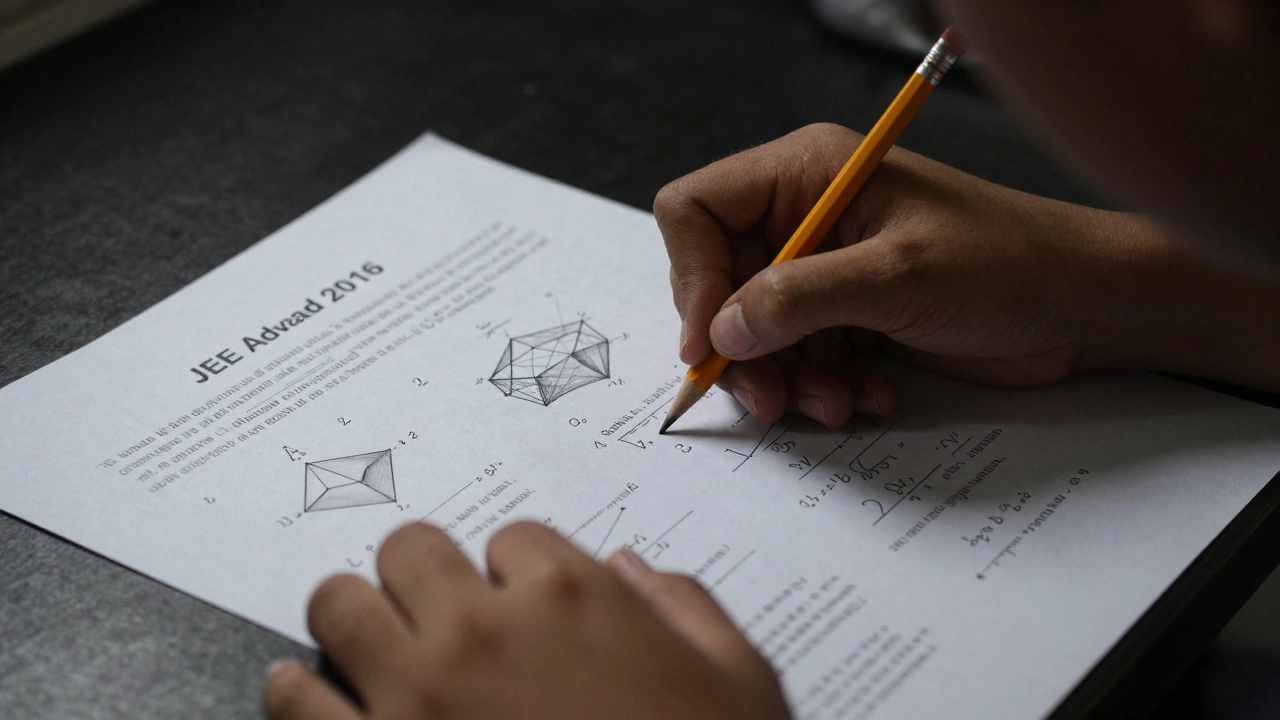
JEE Advanced Difficulty Score Calculator
Compare the difficulty of JEE Advanced papers from different years and get insights based on historical data.
JEE Advanced is the gateway to India's top engineering colleges. Every year, students and educators debate which paper was the hardest. The answer almost always points to the 2016 exam, which pushed even the best-prepared students to their limits.
If you've ever wondered about the toughest JEE Advanced paper, the 2016 exam is widely considered the toughest. Let's explore why.
Why 2016 Stands Out as the Toughest
The 2016 JEE Advanced paper is infamous for its high difficulty level. Unlike other years, it had unusually tough questions across all subjects. For example, the Mathematics section included complex 3D geometry problems that required deep conceptual understanding. Physics had tricky questions with multiple concepts combined. Chemistry was moderate but had unexpected twists.
Many students found themselves stuck on questions they'd never seen before. The paper tested not just knowledge but also the ability to apply concepts in novel situations. This made it stand out from other years where questions were more predictable.
Subject-wise Breakdown of the 2016 Paper
Let's look at each subject in detail. The Mathematics section was particularly challenging. It featured problems on calculus and coordinate geometry that took students by surprise. Many found the questions time-consuming and required multiple steps to solve. For instance, a single calculus problem might involve integration followed by geometric interpretation.
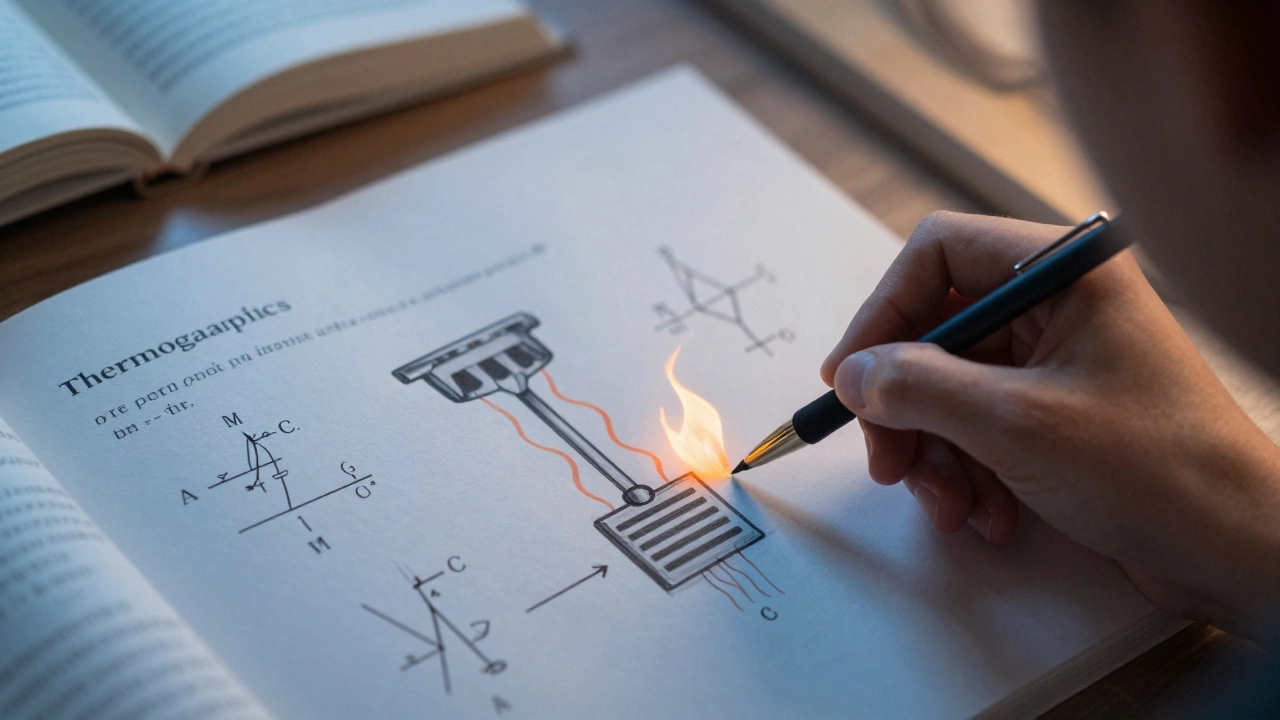
The Physics section had conceptual questions that tested deep understanding. For example, a question on thermodynamics required applying multiple principles simultaneously. Students had to visualize scenarios and apply formulas in unconventional ways. This made Physics the most daunting part for many.
The Chemistry section was relatively easier but had tricky organic chemistry problems that caught students off guard. Some questions required memorizing reaction mechanisms in detail, while others tested application of concepts in new contexts.
How 2016 Compares to Other Tough Years
While other years like 2017 and 2019 had tough papers, the 2016 paper was consistently harder. The 2017 JEE Advanced paper was challenging in Physics, but Mathematics and Chemistry were manageable. In contrast, 2016 had high difficulty across all three subjects. The cut-off scores for general category in 2016 were around 10%, much lower than other years. For example, in 2019, the cut-off was about 20%, showing how much harder the 2016 paper was.
Here's a comparison of key years:
| Year | Overall Difficulty | Mathematics | Physics | Chemistry | General Category Cut-off |
|---|---|---|---|---|---|
| 2016 | Very High | Complex calculus, 3D geometry problems | Conceptual questions with tricky setups | Moderate, but with unexpected twists | ~10% |
| 2017 | High | Moderate | Tough questions | Challenging | ~15% |
| 2019 | Moderate | Tricky problems | Moderate | Easy | ~20% |
| 2023 | High | Calculus-heavy | Tough numericals | Moderate | ~12% |
What Makes a JEE Advanced Paper 'Tough'?
It's not just about hard questions. The difficulty level depends on how the questions test application of concepts. For example, a paper with many numerical problems that require long calculations can be tough. But 2016 was tough because questions required deep conceptual understanding. The time management was also critical. Students had to solve complex problems quickly, which added pressure.
Another factor is unpredictability. If questions are familiar, students can prepare. But 2016 had unexpected twists that even top students struggled with. This unpredictability is what made it so tough.
How to Prepare for Tough JEE Advanced Papers
Preparing for a tough paper like 2016 requires smart strategies. First, focus on conceptual clarity instead of rote learning. Solve previous year papers to understand patterns. The problem-solving strategies you develop during practice will help during the exam. Also, practice time management by taking mock tests under timed conditions. Don't just memorize formulas-understand how to apply them in different contexts.
Here are some practical tips:
- Practice solving problems from multiple sources to expose yourself to different question types.
- Focus on understanding why a solution works, not just how to get the answer.
- Take timed mock tests to simulate exam pressure and improve speed.
- Review mistakes thoroughly to avoid repeating them.
- Work on weak areas without neglecting strong ones-balance is key.
Common Mistakes to Avoid
Many students make mistakes when preparing for tough exams. One common error is over-relying on memorization instead of understanding concepts. Another mistake is not practicing enough under exam conditions. Students often skip mock tests, which is a big mistake. Also, ignoring weaker subjects can backfire. For example, if Chemistry is your weak area, you might lose marks there. The cut-off scores in tough years like 2016 mean every mark counts.
Here's what to avoid:
- Don't just memorize formulas without understanding their applications.
- Avoid skipping mock tests-they're crucial for time management practice.
- Don't ignore your weak subjects-address them early in your preparation.
- Avoid focusing only on high-weightage topics; JEE Advanced tests breadth of knowledge.
Why is the 2016 JEE Advanced paper considered the toughest?
The 2016 paper was exceptionally tough due to its high difficulty across all three subjects. Mathematics had complex problems in calculus and 3D geometry that required deep conceptual understanding. Physics questions tested multiple concepts simultaneously, and Chemistry had unexpected twists in organic chemistry. The cut-off scores were significantly lower than other years, reflecting the paper's difficulty.
How did the cut-off scores in 2016 compare to other years?
The cut-off for general category in 2016 was around 10% of the total marks, much lower than other years. For example, in 2019, the cut-off was about 20%. This significant drop in cut-offs shows how much harder the 2016 paper was. Students who scored well in other years might have struggled to clear the 2016 cutoff.
What should I focus on to prepare for a tough JEE Advanced paper?
Focus on conceptual clarity over rote learning. Practice solving problems from various sources to build versatility. Take timed mock tests to improve speed and accuracy. Review mistakes thoroughly and work on weak areas without neglecting strong ones. Understanding why a solution works is more important than memorizing steps.
Which IIT conducted the 2016 JEE Advanced paper?
The 2016 JEE Advanced paper was conducted by IIT Bombay. IITs rotate the responsibility of conducting the exam each year. IIT Bombay is known for setting challenging papers, which aligns with the high difficulty of the 2016 exam.
Is the JEE Main paper easier than JEE Advanced?
Yes, JEE Main is generally easier than JEE Advanced. JEE Main tests basic understanding of concepts, while JEE Advanced requires deeper application and problem-solving skills. Students usually clear JEE Main first before attempting JEE Advanced. However, both exams require thorough preparation.

Anirudh Vaidya
I am an education consultant specializing in the Indian education system, and I enjoy exploring innovative teaching methods. My passion is writing about educational reforms and developments happening in India, trying to bring awareness to global audiences. I regularly contribute to various educational journals and participate in conferences worldwide. I believe in lifelong learning and am always keen to exchange ideas with fellow educators.