Python for Beginners: Learn to Code with No Experience Needed
When you start learning to code, Python, a simple, readable programming language used for web apps, data analysis, and automation. Also known as the beginner’s language, it’s the most popular first language for a reason: it looks like plain English and gets you results fast. You don’t need a computer science degree. You don’t need to be good at math. You just need to want to solve problems—and Python lets you do that from day one.
What makes Python different from other languages? It’s not about fancy tricks or complicated syntax. It’s about clarity, how easy it is to read and understand code written by others. That’s why companies like Google, NASA, and Instagram use it. It’s also why you can learn it for free using resources like freeCodeCamp, a trusted platform offering full Python courses without cost, or Google’s own Python course. The goal isn’t to memorize commands—it’s to think logically, break problems down, and keep going when things break (because they will).
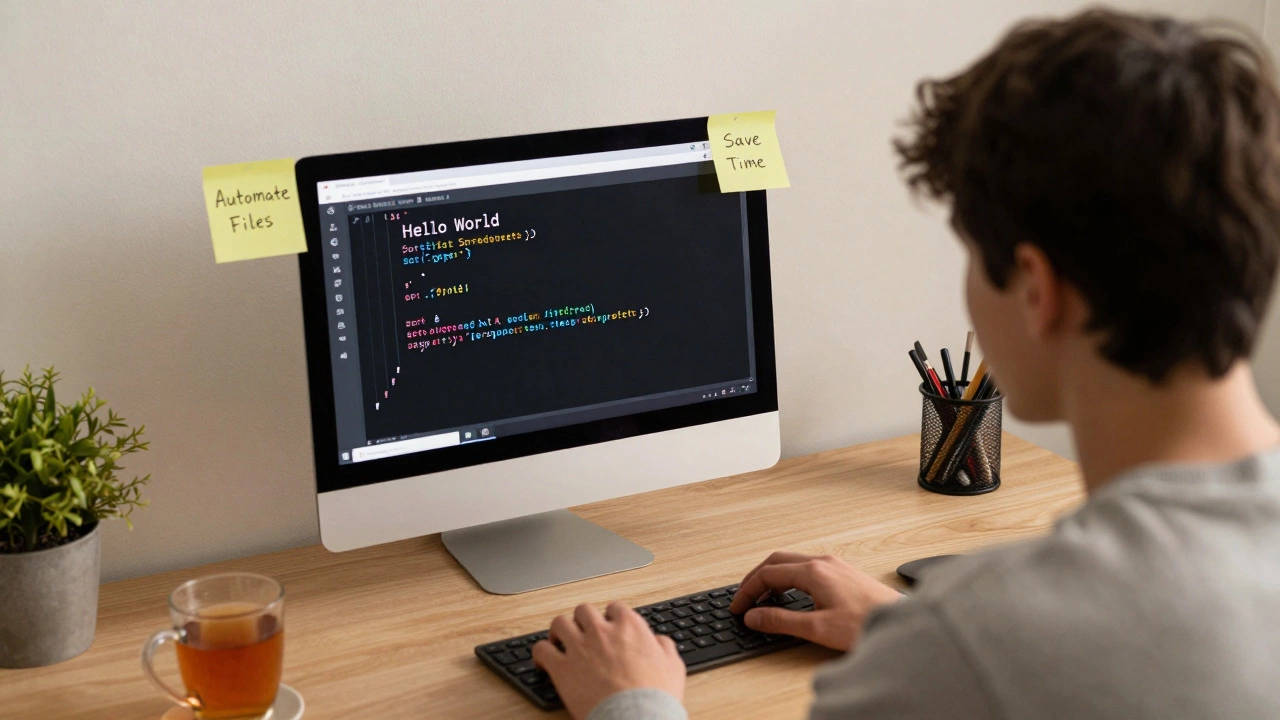
People who start with Python often go on to build websites, automate boring tasks like file organization, analyze data from spreadsheets, or even create simple games. You don’t need to know everything at once. Start small: print "Hello World," then make a calculator, then write a script that renames 100 files in seconds. That’s the real win—not passing a test, but watching your code do something useful.
There’s a myth that coding is only for geniuses or people who loved math in school. That’s not true. The people who stick with it aren’t the smartest—they’re the most consistent. They show up every day, even for 15 minutes. They make mistakes, fix them, and move on. And that’s exactly what you’ll do with Python. Every line of code you write builds your confidence. Every bug you fix makes you sharper.
What you’ll find in the posts below isn’t theory. It’s real advice from people who started exactly where you are. You’ll see how to learn Python without spending a rupee, what mistakes to avoid in your first month, and how to stay motivated when you feel stuck. You’ll also find out why coding isn’t as hard as people say—and why the hardest part isn’t learning syntax, but learning to keep going when nothing works. This isn’t about becoming a developer overnight. It’s about building a habit that opens doors you didn’t even know existed.
Which coding language should I learn first? A practical guide for beginners
Choosing your first coding language doesn't have to be overwhelming. Learn why Python and JavaScript are the top choices for beginners, what to build with each, and how to avoid common mistakes that stop people before they even begin.
read more