First Programming Language: What to Learn and Why It Matters
When you start coding, your first programming language, the initial language you learn to write instructions for a computer. Also known as beginner programming language, it sets the tone for everything that follows—not because it’s the most powerful, but because it teaches you how to think like a programmer. It’s not about picking the "best" language—it’s about picking the right one for you right now.
Your first programming language isn’t just a tool—it’s your teacher. Languages like Python, a high-level language known for simple, readable syntax and JavaScript, the language that powers interactive websites are popular starters because they let you build something real fast. You don’t need to understand memory management or complex syntax to see results. That’s why so many people start with Python to automate tasks or build a simple website with JavaScript. These aren’t just trendy choices—they’re designed to reduce frustration and keep you going.
What you learn in your first language sticks. The way you structure a loop, handle errors, or break down a problem becomes your default thinking pattern. That’s why jumping between languages too early can slow you down. Pick one, stick with it long enough to build a small project—maybe a to-do list app, a calculator, or a simple game—and you’ll start seeing patterns that apply everywhere. Even if you switch later, the core skills—debugging, reading documentation, thinking step by step—will carry over.
Some people think you need strong math skills or a computer science degree to start. That’s not true. You don’t need to know calculus to write a program that sorts a list or checks if a user entered a valid email. Many of the most successful coders started with zero background. What they had was patience, curiosity, and the willingness to make mistakes—and fix them. The hardest part isn’t learning syntax. It’s learning to not give up when your code doesn’t work the first time.
Your first programming language should match your goals. Want to build websites? Start with JavaScript. Interested in data, AI, or automation? Python is your friend. Curious about mobile apps? Consider Swift or Kotlin later, but start simple. Don’t get caught up in debates about which language is "better." The only thing that matters is whether it helps you build something you care about.
You’ll find plenty of free resources to get started—freeCodeCamp, Google’s Python course, or CS50’s intro to programming. You don’t need to pay for a course or buy a book. What you need is time, consistency, and the courage to try even when it feels confusing. The posts below cover exactly that: how to start coding with no experience, what to expect when things break, and how to avoid the common mistakes that make beginners quit. Whether you’re wondering if coding is too hard, if you need math, or if you can learn for free—you’ll find clear answers here, no fluff, no hype.
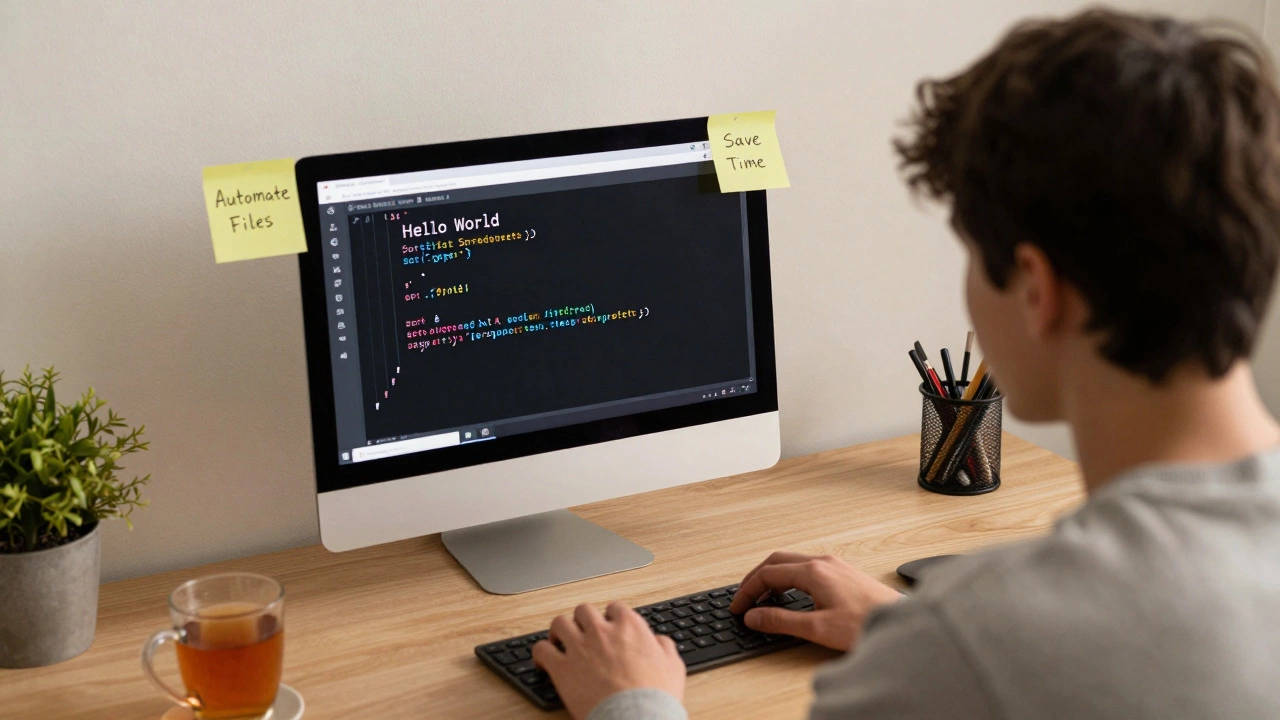
Which coding language should I learn first? A practical guide for beginners
Choosing your first coding language doesn't have to be overwhelming. Learn why Python and JavaScript are the top choices for beginners, what to build with each, and how to avoid common mistakes that stop people before they even begin.
read more